This post is also available in:
A cancer diagnosis doesn’t just bring medical decisions; it brings a lot of questions and emotions, too. While you are dealing with the big word called ‘cancer’, you will get introduced to many other terms for the first time. And, trying to make sense of what they actually mean for you or someone close to you. Radiation therapy is one that doctors have been using for years among the many cancer treatments. There must be reasons it’s still so commonly recommended.
Even radiation therapy can be included in other cancer treatment options without surgery. This totally depends on the type of cancer and what your doctors recommend. In simple words, it works alongside other treatments, and sometimes it is used on its own, too.
What Is Radiation Therapy?
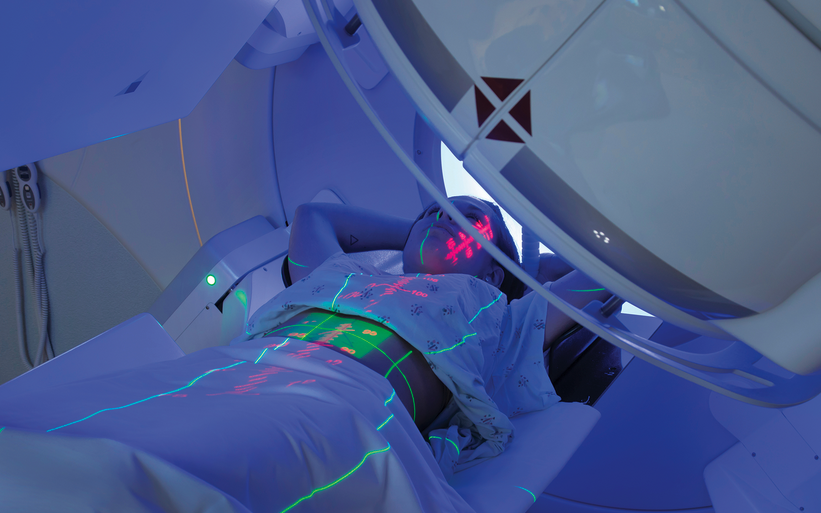
You can think of radiation therapy for cancer as a way to target cancer cells very precisely using controlled energy. Instead of affecting the whole body, the treatment focuses only on the area where it’s needed.
Doctors plan this carefully, almost like mapping out a route, so the radiation reaches the tumor while limiting impact on nearby healthy tissue. It’s commonly used for cancers like breast, lung, and prostate, but the approach is always adjusted based on what works best for you.
How Does Radiation Therapy Treat Cancer?
Radiation therapy does sound complicated, but it is simpler than it sounds once broken down.
How it affects cancer cells
Stubborn cells of cancer do not follow normal rules and tend to grow quickly. By damaging their DNA, radiation targets these fast-growing cells. You can think of DNA as the instruction manual for how cells behave.
Once that instruction manual is disrupted:
- The cells can’t keep growing
- They stop dividing
- Over time, they break down and are cleared by the body
Why treatment happens over time
Radiation isn’t given all at once, it’s spread across multiple sessions.
That’s intentional. It helps:
- Gradually weaken cancer cells
- Give your healthy cells time to recover
- Keep the treatment more controlled
What about healthy cells?
Yes, some healthy cells may be affected, but here’s the difference:
- Healthy cells are better at repairing themselves
- Cancer cells are not
The focus stays where it’s needed most with the modern techniques, designed to be very precise.
Types of Radiation Therapy
Not all radiation therapy looks the same. The type you receive depends on your condition and treatment plan. There is no one of radiation therapy
External Beam Radiation Therapy
This is the most common type. A machine delivers radiation from outside the body, targeting the tumor. Sessions are usually short and spread out over days or weeks.
Internal Radiation Therapy (Brachytherapy)
In some cases, radiation is placed inside or very close to the tumor. This allows a more direct approach.
Advanced Techniques
Technology has made radiation therapy more accurate than ever. For example:
- IGRT (Image-Guided Radiation Therapy): Helps guide treatment in real time
- SBRT (Stereotactic Body Radiation Therapy): Delivers focused doses in fewer sessions
You might come across discussions around the SBRT cancer success rate, especially when exploring newer treatment options; it’s one of the areas that continues to evolve with ongoing research.
When Is Radiation Therapy Used?
Radiation therapy isn’t used in just one way it can be part of treatment at different stages, depending on what’s needed.
- As the main treatment
- Before surgery (to shrink a tumor)
- After surgery (to lower the chances of it coming back)
- To help manage symptoms in more advanced stages
It’s used across a range of cancers, including breast, lung, and others not just one specific type. In some situations, it may also be considered as an alternative to surgery, depending on the condition and overall treatment plan.
Doctors often compare radiation vs surgery for cancer when deciding what makes the most sense for a patient. Sometimes it’s one or the other and sometimes a combination of both works best.
Can Cancer Be Treated Without Surgery?
This is something many people ask early on can cancer be treated without surgery?
The answer depends on the situation, but yes, there are cases where surgery isn’t the first step. Radiation therapy is one option that may be used on its own, especially when surgery isn’t ideal or necessary. Think of it as another path not a lesser one, just a different approach that may suit certain conditions better.
Radiation Therapy Across Different Cancers
Radiation therapy isn’t limited to just one type of cancer. It’s used across different conditions, depending on where the cancer is and how it behaves.
Where it is used
It is commonly part of treatment for:
- Breast cancer
- Lung cancer
- Head and neck cancers
- Prostate cancer and others
Why Radiation Therapy Is So Widely Used
Radiation therapy can be adjusted based on the tumor’s size, location, and stage, which keeps the treatment focused. For example, take prostate cancer, as doctors recommend, it may also be used as a non-surgical prostate cancer treatment when surgery isn’t the best option.
Every plan is personalized to the individual, so it fits their condition and overall treatment needs.
What to Expect During Radiation Therapy
If you’re wondering what the actual experience is like, it’s usually more manageable than people expect.
- Treatments are often outpatient (you go home the same day)
- Each session is short
- You won’t feel pain during the procedure
You might continue with many of your usual activities, though some side effects like fatigue, can show up over time. These are typically manageable, and your care team will guide you through them.
Conclusion
Radiation therapy has become an important part of how cancer is treated today. It offers a way to target cancer with precision while giving doctors flexibility in how they plan care.
If you’re exploring treatment options, understanding how this approach works can make things feel a bit less uncertain, and that alone can make a difference.


No Comments yet!