When you’re told that you or someone in your family has head and neck cancer, treatment quickly becomes the focus. Along with that often comes a long list of questions. What will happen first? How long will treatment take? What should you expect?
For many people, radiation therapy is part of the answer. It may be the main treatment or one part of a larger treatment plan. The approach depends on the type of cancer, where it’s located, and several other factors.
Every patient’s treatment is different, but most people can expect the same general process. Having an idea of what’s ahead can take away some of the uncertainty before treatment begins. This guide explains what to expect along the way.
How Radiation Therapy Treats Head and Neck Cancer
Treating head and neck cancer isn’t about following the same plan for every patient. Each treatment plan is built around factors such as the location of the cancer, its stage, and your overall health.
Depending on those factors, radiation therapy may be used in different ways. It may be the main treatment, follow surgery, or be combined with chemotherapy when a combined approach is considered the best option.
Your care team will explain why your treatment has been planned in a certain way and answer any questions you have before it begins.
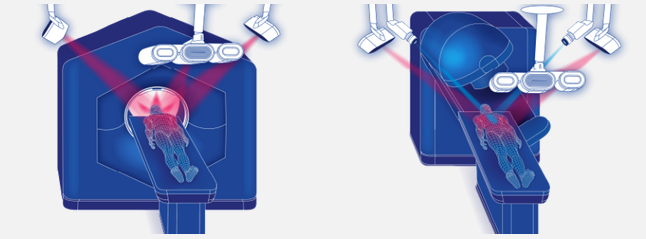
Today’s head and neck cancer radiation therapy relies on detailed treatment planning and advanced imaging to improve accuracy. By carefully mapping the treatment area, doctors can focus radiation on the tumor while reducing exposure to nearby healthy tissues whenever possible.
Preparing for Radiation Therapy
1. Initial Consultation With Your Care Team
Your first visit is mostly about planning. Your radiation oncologist will go over your diagnosis, explain the treatment they’ve recommended, and answer any questions you bring with you. They’ll also review your medical history so every part of your treatment is planned with your individual needs in mind.
2. Simulation and Treatment Planning
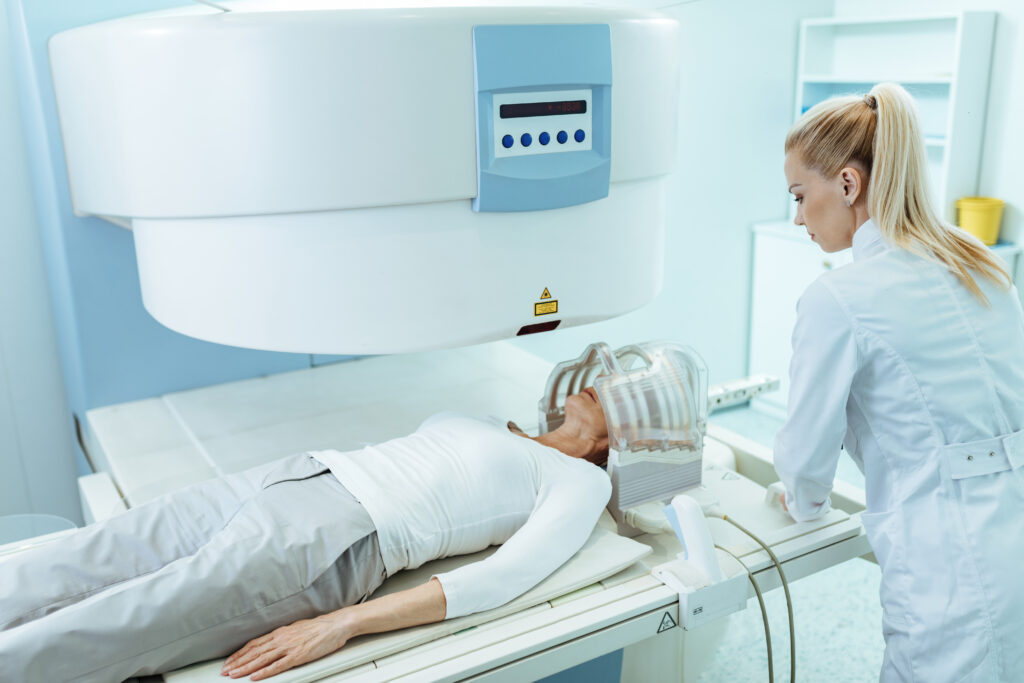
Once the treatment plan has been discussed, you’ll have a simulation appointment. Imaging performed during this visit allows the care team to map the treatment area and create a plan designed specifically for your condition.
3. Custom Mask Creation for Treatment Accuracy
For many head and neck cancers, a custom mask is made during the planning process. The mask gently supports your head and neck so you stay in the same position throughout each treatment session, helping deliver radiation consistently.
4. Dental Evaluation Before Therapy
A visit to the dentist is often part of getting ready for treatment. The goal is simply to make sure there aren’t any dental problems that could become more difficult to deal with later.
5. Nutrition Support and Preparation
A visit with a dietitian is common before head and neck radiation therapy. It’s less about changing your diet and more about making sure you know what to expect if eating becomes more challenging.
What to Expect During Treatment
Your treatment won’t be rushed. Instead, it’s spread out over time, with regular visits that allow your care team to deliver each session as planned. Before you begin, you’ll know exactly how many treatments have been scheduled.
Each visit is fairly short. In most cases, more time is spent getting you into the correct position than actually delivering the radiation.
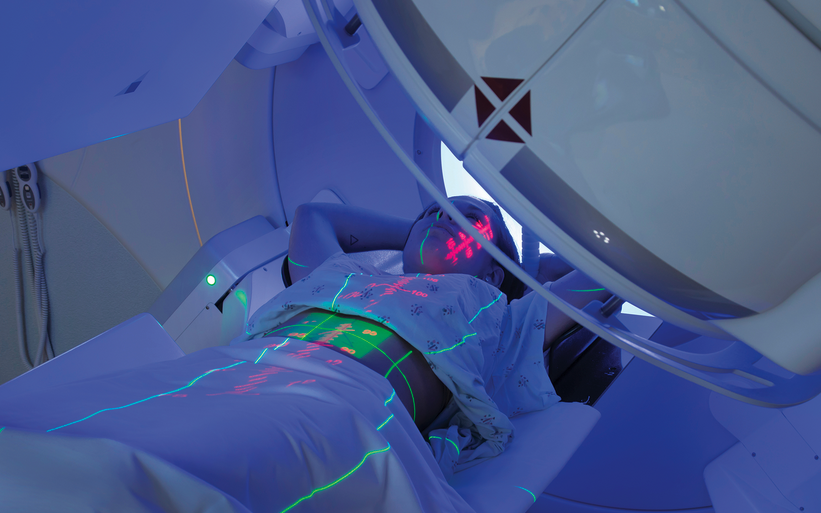
Once you’re on the treatment table, your care team will position the custom mask and make any final adjustments before treatment begins. After everything is in place, the therapists leave the room to operate the equipment, but they’ll continue to monitor you through cameras and an intercom the entire time.
The treatment itself doesn’t hurt. Most patients are surprised by how quick each treatment is. You won’t feel the radiation while it’s being given.
Your appointments are also a chance to talk about how things are going. If you’re dealing with side effects or have questions, your care team is there to help you through them.
Possible Side Effects of Radiation Therapy
Most people will experience some side effects during radiation therapy, but what those side effects are and how much they affect daily life vary from patient to patient.
You may notice:
- Dry mouth
- A sore mouth or throat
- Difficulty swallowing
- Changes in taste
- Skin irritation where treatment is given
- Fatigue
Rather than starting suddenly, these symptoms often become more noticeable as treatment continues.
Once treatment is over, recovery takes over. For some people, that happens quickly. For others, it takes a little more time, especially when it comes to dry mouth or swallowing.
Keep using your follow-up appointments to ask questions and share how you’re feeling. Those conversations help your care team support you as you recover.
Recovery and Follow-Up Care
Recovery doesn’t begin and end on a single day. Once radiation therapy is over, your body keeps healing, and some changes may take weeks before they start to settle.
That’s why your treatment doesn’t stop with the last session. You’ll have follow-up appointments so your doctor can see how you’re recovering, check the results of treatment, and decide whether any further scans or examinations are needed.
Follow-up care is a routine part of head and neck oncology. It gives your medical team the chance to keep track of your recovery and help with any side effects that continue after treatment.
It’s also worth sticking with the habits you’ve built during treatment. Looking after your mouth, eating well where possible, and doing any exercises you’ve been given for swallowing or jaw movement all remain part of the recovery process.
Conclusion
Before treatment begins, there’s usually a planning stage. You’ll meet with different members of your care team, review your diagnosis, and discuss the treatment options that best fit your situation.
Radiation therapy is used for many people with head and neck cancer, but every treatment plan is designed around the individual, not the diagnosis alone. That’s why personalized treatment matters.
At ROCVC, our goal is to provide thoughtful, individualized head and neck cancer radiation therapy while supporting you through every stage of treatment. Our dedicated head and neck oncology team is here to help you feel informed, comfortable, and cared for along the way.