This post is also available in:
Radiation therapy has helped treat many types of cancer for decades, but for patients, the experience can still feel unfamiliar at first. One of the most common concerns people have before treatment is surprisingly simple: “What happens if I move?”
Those concerns are completely normal.
Radiation treatment today is much more advanced than many people realize. Doctors are no longer relying only on traditional positioning methods used years ago. New guidance systems are helping make treatment more accurate while also making the experience easier for patients.
One of those advancements is Surface Guided Radiation Therapy, or SGRT. Used with systems like Catalyst Lite from C-RAD, this technology helps care teams monitor a patient’s position in real time throughout treatment.
For patients, that means treatment is not only planned carefully beforehand, but also continuously monitored during the session to help keep everything aligned as accurately as possible.
What Is SGRT?
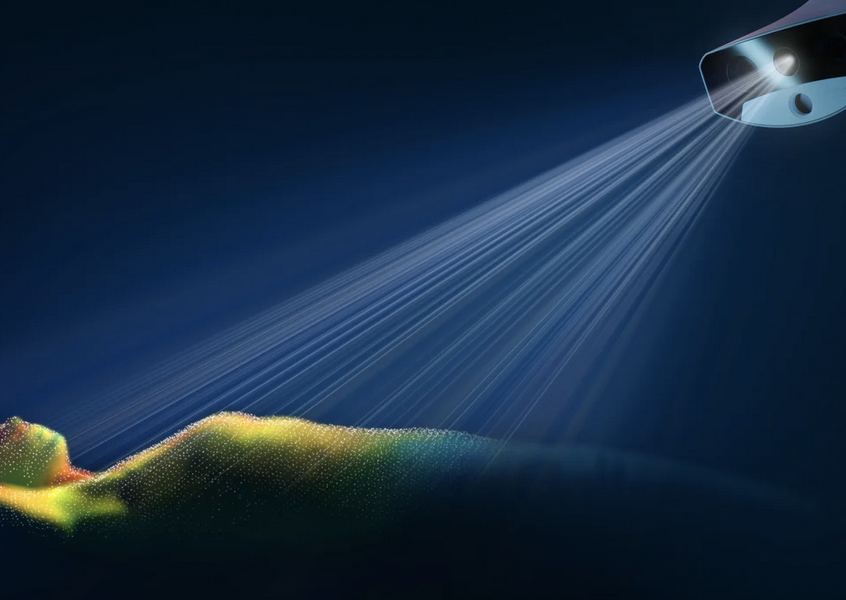
Surface Guided Radiation Therapy is a non-invasive guidance technology that uses optical imaging to track a patient’s body position during radiation treatment. Instead of relying only on permanent skin marks or manual alignment methods, the system creates a detailed 3D map of the patient’s body surface. That surface map is then compared to the planned treatment position in real time.
Think of it as an added layer of guidance quietly working in the background during treatment. The system continuously watches for movement and helps the care team confirm that positioning remains consistent throughout the session.
What makes this technology especially helpful is that it does all of this without physical contact or additional radiation exposure. Patients are not attached to extra devices, and the monitoring happens through advanced optical cameras positioned in the treatment room.
The goal is simple: help treatment stay aligned as accurately as possible from beginning to end.
Radiation Oncology Centers of Ventura County is the first radiation center in Ventura County to offer this advanced guidance technology.
Why Patients Benefit
For patients, the advantages of this technology are not just technical. Many of the benefits are things people can actually feel and notice during treatment.
No Permanent Skin Marks
Many people are surprised to learn that a traditional radiation therapy setup may involve small tattoos or skin markings used for positioning. While medically useful, some patients simply do not feel comfortable with permanent marks connected to their treatment experience.
With modern surface guidance systems, the body’s natural contours can often be used for alignment instead. The technology reads the patient’s surface in real time, reducing the need to rely heavily on permanent markings.
Avoiding an extra permanent reminder can make the experience feel a little less stressful for someone who is already going through cancer treatment. It sounds like a small detail, but it matters a lot.
Continuous Monitoring for Accuracy
Traditional setup methods focus heavily on positioning before treatment begins. Even trying to stay still, the challenge is that people naturally move during treatment sessions.
Plus, the breathing alone can create subtle shifts in the chest and upper body. Small adjustments in posture can happen without patients even noticing. This is where SGRT treatment adds another level of support. The system continuously tracks body position during treatment rather than checking alignment only once at the beginning.
If movement happens, the care team can see it immediately and respond if adjustments are needed. That ongoing visibility helps support more consistent treatment delivery throughout the session.
Added Safety During Treatment
Accuracy is a very important part of radiation therapy because doctors are not only treating the tumor, they are also working to protect the healthy tissue nearby. That is why treatment is planned so carefully. Even small movements during a session can slightly change positioning, especially in areas close to sensitive organs.
Real-time surface tracking helps care teams monitor movement throughout treatment and respond quickly if adjustments are needed. This added guidance can help treatment stay more consistent from start to finish.
This becomes especially helpful in treatments near important organs, such as:
- Breast cancer treatments where the heart and lungs are close to the treatment area
- Areas where normal breathing can naturally cause slight body movement
- Treatments that require highly precise positioning during every session
With continuous surface guidance, clinicians can monitor these small changes in real time and help maintain accurate alignment during treatment.
A More Comfortable Experience
For many patients, comfort comes from knowing the treatment process feels controlled and carefully monitored.
The system itself is completely contact-free and non-invasive. There are no extra procedures, no physical tracking devices attached to the body, and no additional radiation used for monitoring.
Most patients never really notice the technology working during treatment — and honestly, that is part of the point. It quietly supports the care team in the background while patients can focus on getting through the session as comfortably as possible.
How Catalyst Lite Fits In
Catalyst Lite is designed to support this type of advanced surface guidance during radiation therapy. Using optical imaging and real-time monitoring, the system helps clinicians maintain accurate positioning throughout treatment sessions.
Instead of depending entirely on static setup methods, systems like Catalyst Lite continuously compare the patient’s live body position to the planned treatment alignment. If even a slight shift occurs, the care team is immediately able to see it. That constant feedback helps support both precision and consistency during treatment delivery.
For patients, the experience feels simple. But behind the scenes, the technology is providing radiation teams with real-time surface data that helps guide treatment more accurately from start to finish.
The Bigger Picture: Precision and Peace of Mind
For patients, technology like Catalyst Lite is not only about innovation. It is also about reassurance.
Knowing that treatment positioning is being monitored continuously can help many patients feel more confident during therapy sessions. It reinforces the idea that the care team has advanced tools available to help maintain accuracy throughout the process. That peace of mind matters.
Cancer treatment already brings enough uncertainty on its own. Technologies that help make treatment feel more precise, organized, and carefully guided can make a meaningful difference in the overall patient experience.
Looking Ahead
Even a decade ago, cancer treatment continued changing in ways that were difficult to imagine. Guidance systems are becoming smarter, treatment planning is becoming more personalized, and patient comfort is receiving more attention than ever before.
That shift is one reason interest in SGRT treatment in Ventura County searches, and advanced radiation guidance continues growing. Patients are actively looking for treatment centers that combine experience with modern technology.
At ROCVC, patient care has always been centered around precision, compassion, and advanced treatment approaches. As newer technologies like SGRT continue shaping modern radiation therapy, ROCVC remains focused on helping patients feel supported, informed, and confident throughout their treatment journey.


No Comments yet!