This post is also available in:
Cancer is a tough battle that no one wants to ever fight. But when it gets real, you have to look for treatments considering more than just hospital stays or recovery.
This is usually where the comparison of stereotactic radiotherapy vs surgery comes in. Some patients begin asking about SRT for cancer without surgery, hoping for an option that feels more manageable. It’s one of the non-invasive cancer treatment options designed to treat tumors with precision, but the answer isn’t the same for everyone.
And that’s exactly what needs to be understood before making any call.
What Is Stereotactic Radiation Therapy?
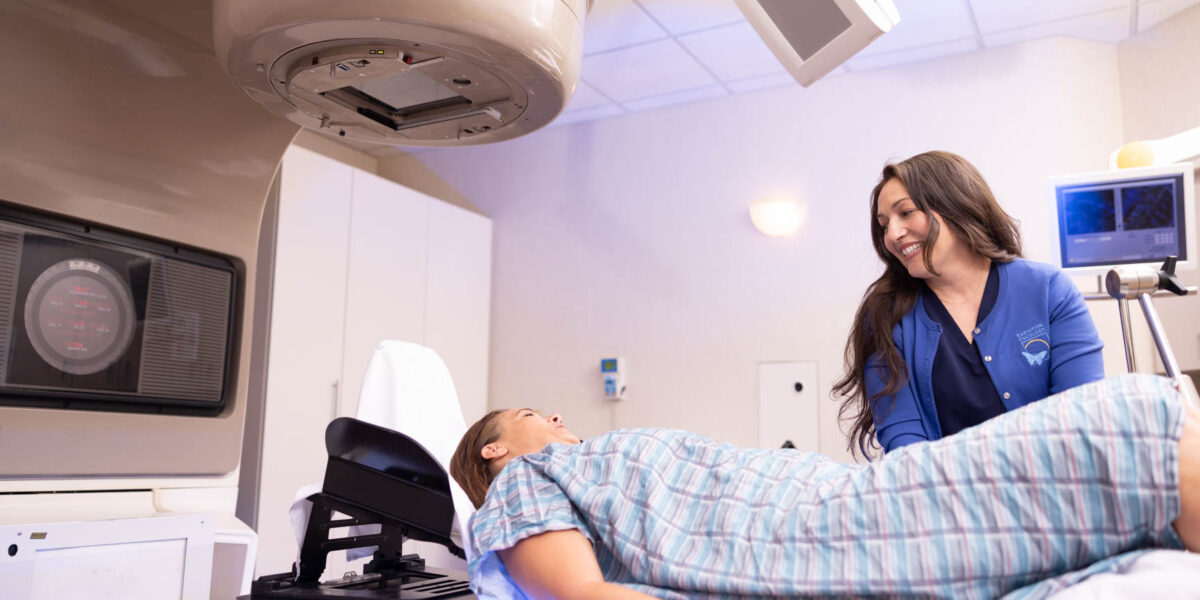
If you’ve been looking into non-invasive cancer treatment options, this is one of the terms that keeps showing up. Stereotactic radiation therapy is designed to treat tumours with a high level of accuracy, using carefully planned radiation beams that target only the affected area. There’s no surgery involved, no cuts or stitches, which already changes how the whole experience feels.
The sessions are fewer, but each one is mapped out in detail (nothing rushed here).
What really stands out is how it works to protect nearby healthy tissue, which is why stereotactic radiosurgery outcomes are often closely studied in these cases.
How Stereotactic Radiation Therapy Can Be a Good Alternative to Surgery
Non-Invasive Approach
The first thing most people notice is this. There’s no surgery involved. No incisions, no operating room, no physical strain that usually comes with it. That alone makes a difference when exploring non-invasive cancer treatment options, especially if recovery is a concern. The body is not being pushed through the same level of stress.
This is also why stereotactic radiosurgery outcomes are often considered in cases where avoiding surgical impact matters.
Shorter Recovery Time
It’s the recovery part where most of the patients start rethinking their options. Surgery requires you to take time off, stay in the hospital, and slowly get back to normal. In Stereotactic Radiation, things are different. Most patients return to their routine much sooner, without a long hospital stay or extended downtime.
That shift matters, especially when daily life cannot be paused for too long. It is also one of the reasons why stereotactic radiosurgery outcomes are closely observed in cases where quicker recovery is a priority.
Precision Targeting
What really changes the conversation here is accuracy. The radiation is carefully directed at the tumor itself, instead of affecting a broader area. This helps reduce unnecessary impact on nearby healthy tissue in the body which patients often worry about.
It is one of the reasons radiation therapy as a surgery alternative is being considered more often in certain cases.
Suitable for Hard-to-Reach Tumors
Some tumors are difficult to reach through surgery, and that can change the entire treatment approach. If the location is close to sensitive areas or deeper inside the body, surgery can become more complicated than expected.
In such cases, stereotactic radiation therapy provides an alternative by targeting the tumor from outside the body. This reduces the need for surgical access while still focusing treatment where it is needed.
Option for Patients Who Cannot Undergo Surgery
Some patients are not ideal candidates for surgery due to health conditions or higher risk factors. When surgery is not an option for them, stereotactic radiation therapy becomes a practical alternative. It gives patients a way to move forward without taking on that added stress.
For many, that balance between treating the cancer and protecting overall health becomes the priority.
Who Is a Good Candidate for This Treatment?
Patients with Small or Well-Defined Tumors
Clear tumor boundaries make a noticeable difference in how well this treatment can be planned. The more defined the area, the more precise the delivery tends to be.
Patients Seeking a Non-Surgical Option
Some patients avoid surgery when possible. In those cases, it makes sense to consider these treatments that can address the tumor without going through an operation.
Patients with Medical Limitations
Surgery is not always the right fit for every patient. There are health conditions or overall risks that can influence that decision. This treatment, then, becomes an alternative approach.
Cases Where Tissue Preservation Is Important
In situations where tumors are close to sensitive structures, treatment planning becomes more careful. This treatment keeps the focus tight and reduces the impact on surrounding areas.
Closing Thoughts
By now, it’s clear this isn’t a one-size answer. In many cases, stereotactic radiation therapy as a radiation therapy as surgery alternative can make real sense, but it depends on the details of the condition. The right approach comes down to careful evaluation and a plan that fits the patient, not just the diagnosis.
We at Radiation Oncology Centers of Ventura County offer you stereotactic radiation therapy, focusing on precision, safety, and decisions that actually feel right for each individual.


No Comments yet!