Surface-Guided Radiation Therapy (SGRT) for Greater Treatment Accuracy
Surface Guided Radiation Therapy (SGRT) is modern radiation therapy that helps radiation teams monitor patient movement and positioning in a way that supports accurate, carefully planned cancer treatment.
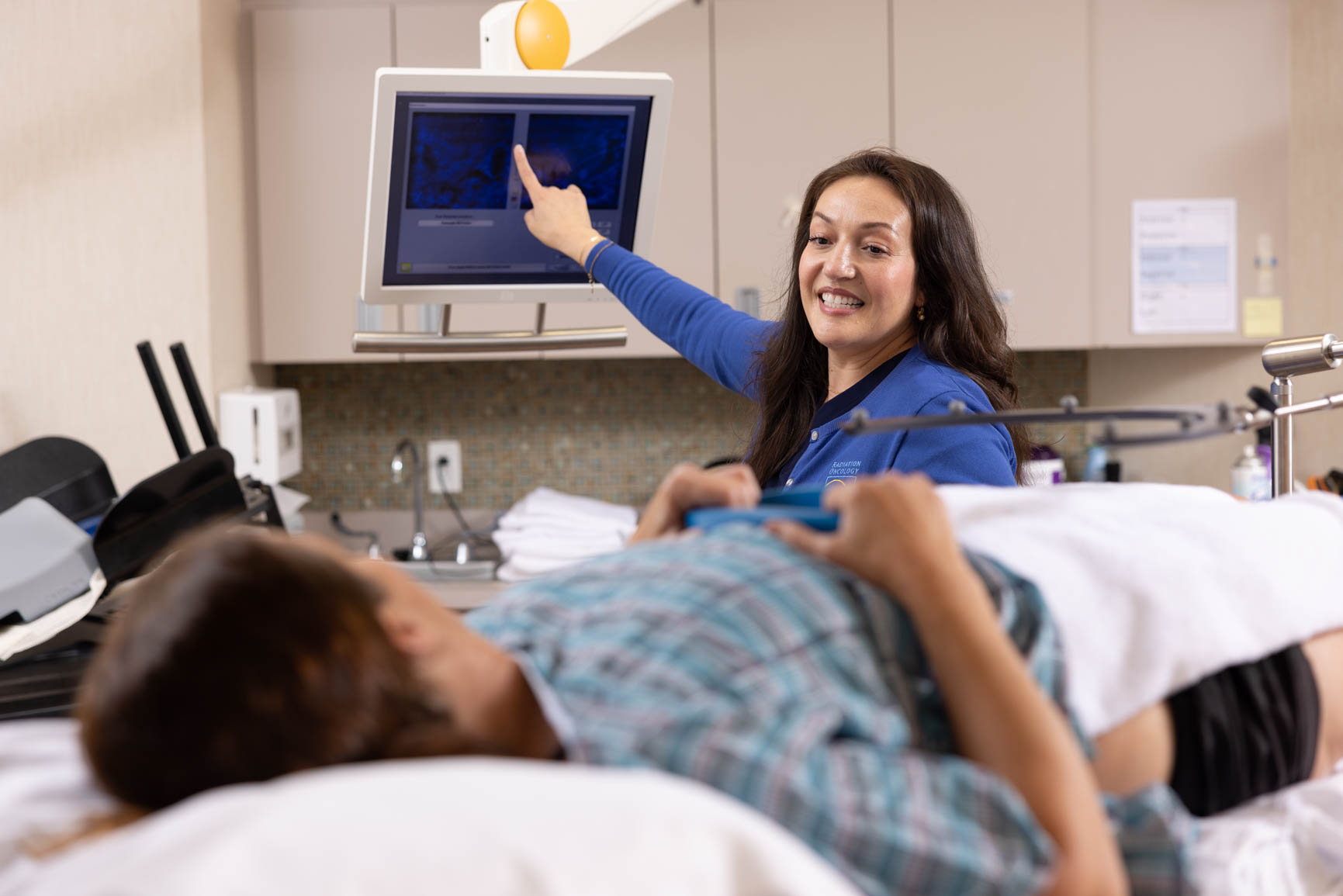
What Is Surface Guided Radiation Therapy (SGRT)?
Surface Guided Radiation Therapy (SGRT) is one of the modern radiation therapies based on advanced technologies that is designed to help radiation teams monitor a patient’s position throughout treatment. It uses robust features such as cameras and surface imaging to track the patient’s external surface without the need for any physical contact.
The treatment can be used as part of radiation therapy where importance is given to accurate positioning and motion monitoring. The radiation oncology team analyzes factors such as the treatment area, cancer type, treatment plan, and the patient’s individual needs to find out whether the SGRT is ideal for a patient.
Here are the core components of SGRT radiation therapy that makes is popular amongst patients:
- Non-invasive surface imaging
- Accurate patient positioning
- Real-time movement monitoring
How Does Surface Guided Radiation Therapy (SGRT) Actually Work?
At ROCVC, we ensure that patients experience a simple process while getting this non-invasive treatment. After being positioned for radiation therapy, the patient remains on the treatment table while cameras monitor the body’s surface. The entire analysis of patient body takes place without even physically contacting the patient’s body.
The system then compares the patient’s position with the planned setup throughout the session. This allows the treatment team to observe movement and make informed decisions if the patient’s position changes during treatment.
Getting Ready for Treatment
The patient is placed on the treatment table in the position required for their radiation therapy plan. The team then helps the patient get comfortable and explains the setup before treatment begins.
Creating a Surface Reference
The SGRT system captures the patient's external surface and also creates a reference for the planned treatment position, giving the team a visual guide to use during the session.
Checking the Patient's Position
After that, the team checks the patient's current position as compared to the reference created by the system. This helps the team in analyzing whether the patient is positioned as planned before radiation treatment starts.
Monitoring During the Session
Once treatment begins, the system continues to observe the patient's surface. If the patient's position changes, the radiation therapy team can review the change and take action as per the change.
Key Benefits of SGRT Treatment
SGRT treatment is one of the most favorable treatments for patients. It can support a more comfortable experience while helping the team monitor positioning efficiently during treatment.


No Permanent Skin Marks
SGRT treatment can use natural body contours for positioning. This potentially reduces the risk of treatment-related skin markings.

Precision and Safety
Real-time monitoring and guidance help the team monitor alignment and support accurate radiation delivery near sensitive organs, giving better treatment to the patient.

Comfortable and Non-Invasive
SGRT treatment is contact-free. It requires no devices attached to the body, additional procedures, or extra radiation for monitoring.

Guidance from an SGRT Treatment Consultant
An SGRT treatment consultant can help patients understand the technology and treatment process, and even suggest how it can support patients by giving personalized care.

Supports Breath and Movement Management
SGRT can help monitor changes caused by breathing and natural movement during radiation therapy. It even supports treatment accuracy throughout each session.

Real-Time Monitoring
SGRT continuously monitors body position during the treatment process. It helps the radiation therapy team identify movement and support consistent treatment delivery throughout.
Technologies Used in SGRT Treatment
Advanced technologies contribute to the results of Surface Guided Radiation Therapy (SGRT). They support the radiation therapy team throughout the process, enabling them to give the right treatment.
Optical Surface Imaging
The optical imaging feature captures the patient's external surface without physical contact. It provides valuable information about positioning or movement during radiation therapy.
Motion Monitoring Technology
Motion monitoring tracks changes in the patient's position throughout treatment. It helps the team identify movement that may affect delivery.
Breath-Hold Monitoring
It supports certain breath-hold techniques by monitoring changes in the patient's chest surface that occur during the treatment.
Surface-to-Surface Registration
This technology compares the patient's current surface with the planned reference position. It helps the radiation team assess alignment before treatment begins.
Which Cancer Treatments May Use Surface Guided Radiation Therapy (SGRT)?
Surface Guided Radiation Therapy (SGRT) can be used to support radiation therapy treatments for diverse types of cancer.
However, the suitability of the SGRT treatment depends on factors such as the treatment area, radiation technique, need for precise positioning, and whether movement monitoring may be beneficial for the patient.
At ROCVC, our team evaluates each patient’s treatment plan to determine whether Surface Guided Radiation Therapy is suitable for individual needs.
SGRT may be considered for selected radiation treatments involving:
- Breast: Supports positioning and movement monitoring during selected breast radiation treatments.
- Lung: Monitors movement associated with breathing during selected radiation therapy processes.
- Brain: Can support accurate positioning during certain radiation treatments that involve the brain.
- Head and Neck: Assists the radiation team with positioning during selected radiation therapy treatments for cancers affecting the head and neck.
- Spine: Can be used to support positioning during selected treatments involving spinal tumors or nearby areas.
- Other Areas: May be considered for other treatment areas when accurate positioning and movement monitoring are important.

