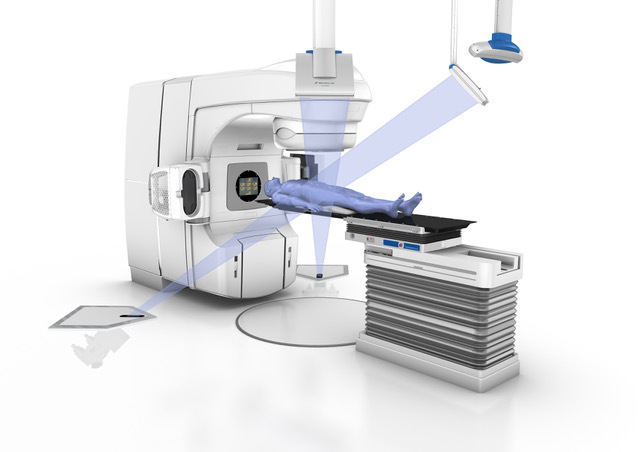
What Is 6D Stereotactic Body Radiotherapy (SBRT) Cancer Treatment?
6D Stereotactic Body Radiotherapy (SBRT) is an advanced, non-invasive cancer treatment that delivers extremely high, concentrated doses of radiation to small tumors with millimeter precision. It condenses a traditional weeks-long radiation schedule into just 1 to 5 fast sessions while protecting nearby healthy tissue. The “6D” aspect refers to six-dimensional robotic tracking and patient positioning that adjusts for tiny real-time movements, such as breathing.
How Does 6D Stereotactic Body Radiotherapy (SBRT) Actually Work?
6D Stereotactic Body Radiotherapy (SBRT) is a carefully planned treatment that directs concentrated radiation toward a selected tumor. Advanced features such as imaging help the team understand the tumor’s position, and they can even analyze the relationship between surrounding organs and tissues.
In addition, Robotic positioning technology supports accurate positioning by accounting for different types of movement and alignment changes. It helps the team to deliver treatment with precision while working to protect nearby healthy tissues from unnecessary radiation exposure.
Treatment Planning and Imaging
The treatment starts with detailed scans and identification of the tumor plus surrounding anatomy. It enables the team to create a customized radiation treatment plan.
Six-Dimensional Patient Positioning
The robotic system helps make precise adjustments to the patient's position. It includes shifts and rotations before treatment begins.
Image-Guided Treatment Verification
Additional imaging is done to confirm the target location. It allows the treatment team to verify positioning before radiation is delivered.
Focused Radiation Delivery
The precisely planned radiation is then delivered to the tumor from selected angles while the team monitors treatment accuracy throughout the session.
Key Benefits of 6D Stereotactic Body Radiotherapy (SBRT)
6D Stereotactic Body Radiotherapy (SBRT) offers exclusive benefits to patients who are looking for advanced treatment to treat cancer.


Highly Precise Treatment
Its core components, such as advanced imaging and six-dimensional positioning technology, help the treatment team to monitor and target the tumor accurately and in a precise way.

Focused Radiation Delivery
SBRT delivers concentrated radiation to a carefully defined treatment area. It helps limit unnecessary exposure to nearby healthy tissues.

Fewer Treatment Sessions
SBRT is a treatment that can be completed in fewer sessions than conventional radiation therapy. This makes the treatment more convenient for eligible patients.

Personalized Treatment Planning
At Radiation Oncology Centers, we ensure that each treatment plan is developed according to the tumor's size, shape, location, and relationship to nearby organs, ensuring the best possible results.

Accounts for Patient Movement
Advanced positioning and motion management technology helps the radiation therapist account for changes in patient position and natural movement during treatment.

Non-Surgical Treatment Option
SBRT provides a focused radiation treatment approach without requiring an invasive surgical procedure.
Technology Used in 6D Stereotactic Body Radiotherapy (SBRT)
The advanced technology used in SBRT makes all the difference in the treatment result. SBRT’s core components and systems work together to help the treatment team deliver radiation to the target. Imaging, positioning, motion management, and radiation delivery technologies work together as part of a coordinated treatment process. This integration helps the team deliver treatment more precise with a personalized approach.
Six-Dimensional Robotic Positioning
The robotic positioning technology supports fine adjustments as per the patient's alignment before treatment. This helps the team achieve the planned position across multiple directions and angles.
Image-Guided Verification
Modern techniques are used to confirm the patient's position and treatment setup before radiation is delivered. So that the team can make adjustments aligning with the planned target.
Motion Management
It helps account for natural movement during treatment, such as changes caused by breathing. This can support accurate radiation delivery even when the treatment area may shift.
Stereotactic Radiation Delivery
The treatment system delivers radiation carefully planned as per the selected target. The radiation oncology team determines each patient's individual treatment plan based on the overall patient’s conditions.
Cancers Treated With 6D Stereotactic Body Radiotherapy (SBRT)
6D Stereotactic Body Radiotherapy (SBRT) cancer treatment can be used to treat certain small and well-defined tumors in different areas of the body. Whether the treatment is suitable depends on factors such as the type, size, location, and number of tumors, as well as their proximity to nearby organs.
At ROCVC, our radiation oncology team evaluates each patient’s condition to determine whether the treatment works well for you or not.
1. Lung: Suitable to treat certain primary lung tumors and selected metastatic tumors.
2. Liver: Selected primary or metastatic liver tumors.
3. Spine: For treating tumors that affect the spine or nearby areas.
4. Prostate: Selected prostate cancer cases where stereotactic treatment is appropriate.
5. Brain: Ideal for well-defined tumors or metastatic lesions.
6. Other Areas: Suggested when selected tumours involving the bile duct, pancreas, and other parts of the body.

