This post is also available in:
Being an advanced radiation therapy technology, Surface Guided Radiation Therapy (SGRT) looks simple to people from outside, but every appointment involves a very detailed process that happens behind the scenes. Before your treatment even begins, the care team gets to work in planning position, creating surface maps, checking alignment, and monitoring movement to help keep radiation delivery as accurate as possible.
So if you are curious to know what happens at each step of SGRT Radiation therapy, this guide is for you.
1. The Setup
The first few minutes are usually calm. After you arrive, the therapy team helps you get ready for treatment. You may need to wear clothes that make the treatment area easy to access.
What this usually means is:
- A hospital gown may be provided if needed
- Comfortable, loose clothing is often fine for certain treatments
- Clothing choice depends on the treatment area being targeted
Now comes the Positioning Part
Positioning is a big part of the process. The team carefully helps place your body in the same position during every appointment so treatment stays consistent from session to session. Sometimes, even small cushions, arm supports, or positioning devices are used to help you stay comfortable while also keeping alignment accurate.
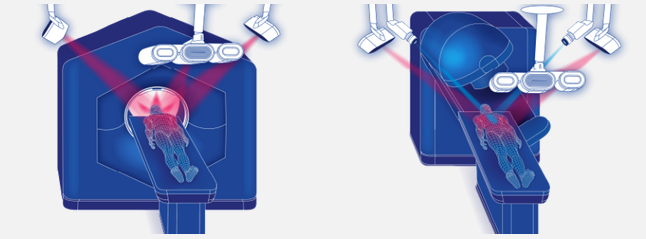
Before radiation starts, special cameras and surface imaging systems scan the outside surface of your body. These scans help the care team check your positioning in real time and compare it with the planned treatment setup. Even small adjustments may be made before treatment begins.
Most patients are surprised by how detailed this process is behind the scenes, especially since the actual treatment session itself may only take a short amount of time.
2. The Mapping Process
This step sets the base for everything that follows and usually happens before the actual treatment begins. During a simulation appointment, you are placed in the same position that will be used for future sessions. This keeps things consistent every time you come in because even small changes in position can matter during SGRT Radiation therapy.
What usually happens during this stage:
- You are positioned carefully on the treatment table
- The team ensures you stay in the same position used for treatment
- Small supports may be added for comfort and stability
The team uses surface imaging to scan the outside of your body. It is non-invasive, so nothing goes inside the body. It only looks at the outer surface. These scans create a digital body map that is used for all future treatments.
And if you’re wondering what the treatment room feels like, it is usually quiet and very focused. That is because every detail matters at this stage. The care team checks:
- Alignment
- Adjusts positioning if needed
- Make sure everything matches the treatment plan created by the doctors
This digital map is then used throughout your treatment. Each time you come in, the SGRT system checks your position against this reference map to make sure you are in the exact same spot every time.
3. The Treatment Phase
This is the main treatment part of Surface Guided Radiation Therapy (SGRT), but it usually feels simpler and quicker than most people expect. Once everything is set, the radiation machine starts, and the room stays calm and quiet.
Your body position is checked the whole time during treatment. The system keeps watching your position in real time, so even small movements are noticed right away. This helps the team make sure everything stays in the right place.
Most people don’t feel the radiation during treatment. You just need to lie still and stay relaxed while the machine works. The session itself is usually short, which often comes as a surprise.
What happens during treatment:
- The SGRT system keeps checking your position
- Radiation is given in a controlled and careful way
- Small movements are picked up instantly
- The whole session usually takes only a few minutes
When the treatment is done, the machine stops, and you are guided out of the room.
Breath Hold Technique (when needed)
In some cases, especially breast cancer treatments, a breath-hold technique is used during this phase. You are guided to take a breath and hold it for a short time while radiation is delivered.
With Surface Guided Radiation Therapy (SGRT), the team can closely track your position even during breath holds. This helps keep everything stable and accurate.
What usually happens:
- You are guided on when to breathe in and hold
- The team watches your position using SGRT in real time
- The breath hold lasts only for a few short seconds
- You are told when to relax and breathe normally again
Tips that make it easier:
- Stay calm and follow the team’s instructions slowly
- Don’t worry if it takes a couple of tries at first
- Focus on steady breathing before the hold begins
Bringing It All Together
SGRT is really about making each step of radiation therapy more structured and easier to follow, from the first setup and mapping to the actual treatment sessions. Even though a lot of detailed work happens behind the scenes, the process itself is guided carefully by the care team so patients can focus on simply getting through each visit.
At Radiation Oncology Centers of Ventura County (ROCVC), SGRT is used as part of a patient-centered approach to radiation therapy, helping bring more accuracy and consistency to every stage of treatment.


No Comments yet!