Ir al contenido principal

Radiation Therapy for Prostate Cancer: A Modern Alternative to Surgery

radiation therapy for prostate cancer

Hearing that you have prostate cancer can bring a lot of questions. One of the first decisions many people face is choosing the right treatment. For years, surgery was often seen as the main option. While surgery is still an effective treatment for many patients, it is no longer the only path forward.

Today, advances in radiation therapy have given patients another highly effective choice. Many men are now exploring non-surgical prostate cancer treatment options that can target cancer while avoiding an operation. As treatment technology continues to improve, patients often have more flexibility when discussing their care plan with a specialist.

If you’re comparing treatments or trying to understand your options, learning how radiation therapy works can help you make a more informed decision.

Why More Patients Are Exploring Alternatives to Surgery

A prostatectomy is a surgical procedure to remove all or part of the prostate gland. When used to treat cancer, the operation is called a radical prostatectomy. It has helped many patients achieve successful outcomes, but it also comes with recovery time and the physical demands of an operation.

Because of this, some people begin looking at other prostate cancer treatment options that may fit their health needs, lifestyle, or personal preferences.

Common reasons patients consider alternatives include:

  • Concerns about undergoing surgery
  • Existing medical conditions
  • Desire for a less invasive treatment approach
  • Interest in maintaining normal daily routines during treatment
  • Recommendations from their care team

Every patient’s situation is different, which is why treatment decisions should always be personalized.

What Is Radiation Therapy for Prostate Cancer?

Radiation therapy for prostate cancer uses carefully targeted high-energy radiation to destroy cancer cells and prevent them from growing.

Radiation therapy is designed to focus on cancerous tissue, and unlike surgery, it does not need to remove the prostate.

Modern radiation therapy has become significantly more precise than older treatment methods. Advanced imaging and planning systems allow providers to accurately target tumors while protecting surrounding organs as much as possible.

For many patients, this makes radiation therapy an appealing non-invasive prostate cancer treatment option.

Radiation vs Surgery: The Key Differences

When comparing radiation vs surgery, many patients want to understand how the two approaches affect everyday life.

The table below highlights some general differences.

FactorRadiation TherapySurgery
Procedure TypeNon-surgical treatmentSurgical procedure
Hospital StayUsually not requiredOften required
IncisionsNoneRequired
Recovery TimeTypically less disruptiveMay involve a longer recovery period
Daily ActivitiesMany patients continue normal routinesRecovery may temporarily limit activities
Treatment ScheduleMultiple sessions over timeSingle procedure followed by recovery

While these differences can be helpful to understand, the best treatment choice depends on many factors, including cancer stage, age, overall health, and personal goals.

How Modern Radiation Therapy Has Changed Prostate Cancer Care

Radiation therapy today looks very different from what it did years ago.

Several technological advancements have improved both precision and patient experience.

Image-Guided Radiation Therapy (IGRT)

IGRT uses advanced imaging before treatment sessions to help ensure radiation is delivered accurately.

Intensity-Modulated Radiation Therapy (IMRT)

IMRT allows providers to adjust radiation intensity across different areas of the treatment field. This helps target cancer more precisely.

Stereotactic Body Radiation Therapy (SBRT)

SBRT delivers highly focused radiation over fewer treatment sessions in certain cases. Some patients appreciate the convenience of a shorter treatment schedule.

These technologies have helped make modern radiation therapy a trusted treatment for prostate cancer in many situations.

Who May Be a Good Candidate for Radiation Therapy?

Radiation therapy may be recommended for a wide range of patients.

Many people who benefit from treatment include:

  • Patients with localized prostate cancer
  • Older adults who may prefer to avoid surgery
  • Individuals with medical conditions that increase surgical risks
  • Patients looking for a non-invasive treatment approach
  • Those seeking effective cancer treatment with minimal interruption to daily life

A qualified prostate cancer specialist can evaluate your diagnosis and help determine whether radiation therapy may be an appropriate option.

Because every case is unique, treatment recommendations are always based on individual needs rather than a one-size-fits-all approach.

What Treatment Is Like for Most Patients

One common concern patients have is what radiation therapy actually feels like.

  • The process usually begins with a consultation and treatment planning session. During this stage, imaging scans help create a personalized treatment plan.
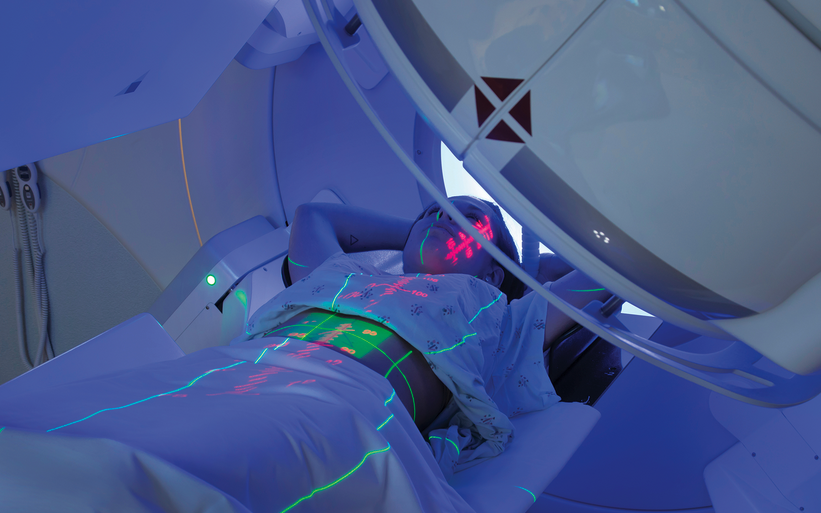
  • Treatment sessions themselves are typically quick. Most patients lie comfortably on a treatment table while the machine delivers radiation to the targeted area.
  • The procedure is painless, and many patients return to their normal activities afterward.

While treatment schedules vary, patients often appreciate being able to continue working, spending time with family, and maintaining their usual routines throughout much of the process.

Benefits and Considerations

Like any cancer treatment, radiation therapy has both advantages and potential side effects.

Potential Benefits

  • Non-surgical approach
  • No incisions
  • No general anesthesia
  • Ability to maintain many normal activities
  • Advanced targeting technology
  • Effective cancer control for many patients

Possible Side Effects

Some patients may experience:

  • Fatigue
  • Urinary changes
  • Bowel discomfort
  • Temporary irritation in the treatment area

Side effects vary from person to person. Providers often discuss what to expect before treatment begins so patients can make informed decisions.

Making a Confident Treatment Decision

Choosing among different prostate cancer treatment options can feel overwhelming at first. It is natural to compare benefits, risks, recovery expectations, and long-term goals before deciding on a treatment plan.

For many patients, radiation therapy offers an effective modern alternative to surgery. Advances in technology have made treatment more precise, less invasive, and easier to fit into everyday life.

The most important step is having an open conversation with an experienced care team that understands your unique situation. At ROCVC, we believe every patient deserves personalized guidance, clear information, and compassionate support throughout their cancer journey. 

We are committed to helping patients explore their options and make treatment decisions with confidence.
¿Qué es la radioterapia y cómo se utiliza para tratar el cáncer?

Un diagnóstico de cáncer no solo implica decisiones médicas; también trae consigo un montón de preguntas y emociones. Mientras te enfrentas a esa palabra tan grande llamada «cáncer», te encontrarás con muchos otros términos por primera vez. Y tratarás de entender qué significan realmente para ti o para alguien cercano a ti. La radioterapia es uno de los muchos tratamientos contra el cáncer que los médicos llevan años utilizando. Debe de haber razones por las que sigue recomendándose tan a menudo.

Incluso la radioterapia puede formar parte de otras opciones de tratamiento contra el cáncer sin necesidad de cirugía. Esto depende totalmente del tipo de cáncer y de lo que te recomienden tus médicos. En pocas palabras, se combina con otros tratamientos y, a veces, también se utiliza por sí sola.

¿Qué es la radioterapia?

Puedes pensar en la radioterapia contra el cáncer como una forma de atacar las células cancerosas con mucha precisión mediante energía controlada. En lugar de afectar a todo el cuerpo, el tratamiento se centra solo en la zona donde es necesario.

Los médicos lo planifican con mucho cuidado, casi como si trazaran una ruta, para que la radiación llegue al tumor y, al mismo tiempo, se limite el impacto en el tejido sano cercano. Se suele utilizar para cánceres como el de mama, el de pulmón y el de próstata, pero el tratamiento siempre se adapta en función de lo que mejor te vaya a ti.

¿Cómo trata el cáncer la radioterapia?

La radioterapia parece complicada, pero, una vez que la desglosas, es más sencilla de lo que parece.

Cómo afecta a las células cancerosas

Las células cancerosas rebeldes no siguen las reglas normales y tienden a crecer rápidamente. La radiación ataca estas células de crecimiento rápido dañando su ADN. Puedes pensar en el ADN como el manual de instrucciones que determina cómo se comportan las células.

En cuanto se altera ese manual de instrucciones:

  • Las células no pueden seguir creciendo
  • Dejan de dividirse
  • Con el tiempo, se descomponen y el cuerpo los elimina

¿Por qué el tratamiento se prolonga en el tiempo?

La radioterapia no se administra de una sola vez, sino que se distribuye en varias sesiones.

Eso es a propósito. Sirve para:

  • Debilitar poco a poco las células cancerosas
  • Dale tiempo a tus células sanas para que se recuperen
  • Intenta que el tratamiento esté más controlado

¿Y qué pasa con las células sanas?

Sí, puede que algunas células sanas se vean afectadas, pero aquí está la diferencia:

  • Las células sanas se reparan mejor por sí mismas
  • Las células cancerosas no son

Gracias a las técnicas modernas, diseñadas para ser muy precisas, la atención se centra justo donde más se necesita.

Tipos de radioterapia

No todas las radioterapias son iguales. El tipo que te apliquen dependerá de tu enfermedad y de tu plan de tratamiento. No hay un único tipo de radioterapia

Radioterapia Externa

Este es el tipo más común. Una máquina emite radiación desde fuera del cuerpo, dirigiéndola hacia el tumor. Las sesiones suelen ser cortas y se reparten a lo largo de varios días o semanas.

Radioterapia Interna (braquiterapia)

En algunos casos, la radiación se coloca dentro del tumor o muy cerca de él. Esto permite un enfoque más directo.

Técnicas avanzadas

La tecnología ha hecho que la radioterapia sea más precisa que nunca. Por ejemplo:

  • IGRT (radioterapia guiada por imágenes): ayuda a orientar el tratamiento en tiempo real
  • SBRT (radioterapia estereotáctica corporal): administra dosis concentradas en menos sesiones

Puede que te encuentres con debates sobre la tasa de éxito de la SBRT contra el cáncer, sobre todo cuando buscas opciones de tratamiento más novedosas; es uno de los campos que sigue evolucionando gracias a la investigación en curso.

¿Cuándo se utiliza la radioterapia?

La radioterapia no se utiliza de una sola forma, sino que puede formar parte del tratamiento en diferentes etapas, según lo que se necesite.

  • Como tratamiento principal
  • Antes de la operación (para reducir un tumor)
  • Después de la operación (para reducir las posibilidades de que vuelva a aparecer)
  • Para ayudar a controlar los síntomas en las fases más avanzadas

Se utiliza para tratar diversos tipos de cáncer, como el de mama, el de pulmón y otros, no solo un tipo concreto. En algunos casos, también se puede considerar como una alternativa a la cirugía, dependiendo de la afección y del plan de tratamiento general.

Los médicos suelen comparar la radioterapia con la cirugía para tratar el cáncer a la hora de decidir qué es lo más adecuado para cada paciente. A veces se opta por una u otra, y otras veces lo que mejor funciona es una combinación de ambas.

¿Se puede tratar el cáncer sin cirugía?

Esto es algo que mucha gente se pregunta desde el principio: ¿se puede tratar el cáncer sin cirugía?

La respuesta depende de cada caso, pero sí, hay situaciones en las que la cirugía no es la primera opción. La radioterapia es una opción que se puede utilizar por sí sola, sobre todo cuando la cirugía no es la mejor opción o no es necesaria. Piensa en ella como otra vía, no como una opción inferior, sino simplemente como un enfoque diferente que puede adaptarse mejor a ciertas situaciones.

La radioterapia en distintos tipos de cáncer

La radioterapia no se limita a un solo tipo de cáncer. Se utiliza para tratar diferentes enfermedades, dependiendo de dónde esté el cáncer y cómo se comporte.

Dónde se usa

Suele formar parte del tratamiento para:

  • Cáncer de mama
  • Cáncer de pulmón
  • Cánceres de cabeza y cuello
  • El cáncer de próstata y otros

Por qué se usa tanto la radioterapia

La radioterapia se puede ajustar según el tamaño, la ubicación y el estadio del tumor, lo que permite que el tratamiento se centre en la zona afectada. Por ejemplo, en el caso del cáncer de próstata, tal y como recomiendan los médicos, también se puede utilizar como tratamiento no quirúrgico cuando la cirugía no es la mejor opción.

Cada plan se adapta a cada persona, para que se ajuste a su estado y a sus necesidades generales de tratamiento.

Qué puedes esperar durante la radioterapia

Si te estás preguntando cómo es realmente la experiencia, suele ser más llevadera de lo que la gente espera.

  • Los tratamientos suelen ser ambulatorios (te vas a casa el mismo día)
  • Cada sesión es corta
  • No sentirás dolor durante la intervención

Es posible que puedas seguir con muchas de tus actividades habituales, aunque con el tiempo pueden aparecer algunos efectos secundarios, como la fatiga. Por lo general, son fáciles de controlar, y tu equipo médico te ayudará a sobrellevarlos.

Conclusión

La radioterapia se ha convertido en una parte importante del tratamiento actual del cáncer. Ofrece una forma de atacar el cáncer con precisión, a la vez que da a los médicos flexibilidad a la hora de planificar el tratamiento.

Si estás valorando las opciones de tratamiento, entender cómo funciona este enfoque puede hacer que todo te parezca un poco menos incierto, y eso por sí solo ya puede marcar la diferencia.