Ir al contenido principal

Radiation Therapy for Head and Neck Cancer: A Complete Patient Guide

When you’re told that you or someone in your family has head and neck cancer, treatment quickly becomes the focus. Along with that often comes a long list of questions. What will happen first? How long will treatment take? What should you expect?

For many people, radiation therapy is part of the answer. It may be the main treatment or one part of a larger treatment plan. The approach depends on the type of cancer, where it’s located, and several other factors.

Every patient’s treatment is different, but most people can expect the same general process. Having an idea of what’s ahead can take away some of the uncertainty before treatment begins. This guide explains what to expect along the way.

How Radiation Therapy Treats Head and Neck Cancer 

Treating head and neck cancer isn’t about following the same plan for every patient. Each treatment plan is built around factors such as the location of the cancer, its stage, and your overall health.

Depending on those factors, radiation therapy may be used in different ways. It may be the main treatment, follow surgery, or be combined with chemotherapy when a combined approach is considered the best option.

Your care team will explain why your treatment has been planned in a certain way and answer any questions you have before it begins.

Today’s head and neck cancer radiation therapy relies on detailed treatment planning and advanced imaging to improve accuracy. By carefully mapping the treatment area, doctors can focus radiation on the tumor while reducing exposure to nearby healthy tissues whenever possible.

Preparing for Radiation Therapy 

1. Initial Consultation With Your Care Team

Your first visit is mostly about planning. Your radiation oncologist will go over your diagnosis, explain the treatment they’ve recommended, and answer any questions you bring with you. They’ll also review your medical history so every part of your treatment is planned with your individual needs in mind.

2. Simulation and Treatment Planning

Once the treatment plan has been discussed, you’ll have a simulation appointment. Imaging performed during this visit allows the care team to map the treatment area and create a plan designed specifically for your condition.

3. Custom Mask Creation for Treatment Accuracy

For many head and neck cancers, a custom mask is made during the planning process. The mask gently supports your head and neck so you stay in the same position throughout each treatment session, helping deliver radiation consistently.

4. Dental Evaluation Before Therapy

A visit to the dentist is often part of getting ready for treatment. The goal is simply to make sure there aren’t any dental problems that could become more difficult to deal with later. 

5. Nutrition Support and Preparation

A visit with a dietitian is common before head and neck radiation therapy. It’s less about changing your diet and more about making sure you know what to expect if eating becomes more challenging. 

What to Expect During Treatment 

Your treatment won’t be rushed. Instead, it’s spread out over time, with regular visits that allow your care team to deliver each session as planned. Before you begin, you’ll know exactly how many treatments have been scheduled. 

Each visit is fairly short. In most cases, more time is spent getting you into the correct position than actually delivering the radiation.

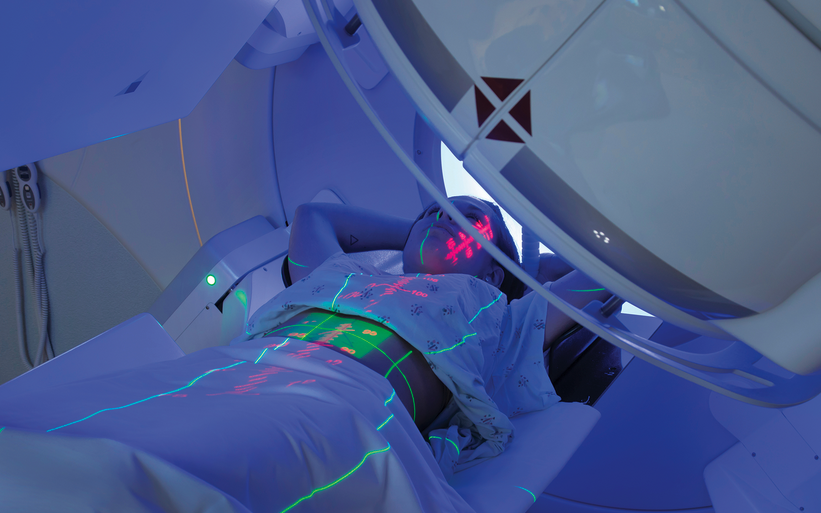
Once you’re on the treatment table, your care team will position the custom mask and make any final adjustments before treatment begins. After everything is in place, the therapists leave the room to operate the equipment, but they’ll continue to monitor you through cameras and an intercom the entire time.

The treatment itself doesn’t hurt. Most patients are surprised by how quick each treatment is. You won’t feel the radiation while it’s being given.

Your appointments are also a chance to talk about how things are going. If you’re dealing with side effects or have questions, your care team is there to help you through them.

Possible Side Effects of Radiation Therapy 

Most people will experience some side effects during radiation therapy, but what those side effects are and how much they affect daily life vary from patient to patient.

You may notice:

  • Dry mouth
  • A sore mouth or throat
  • Difficulty swallowing
  • Changes in taste
  • Skin irritation where treatment is given
  • Fatigue

Rather than starting suddenly, these symptoms often become more noticeable as treatment continues.

Once treatment is over, recovery takes over. For some people, that happens quickly. For others, it takes a little more time, especially when it comes to dry mouth or swallowing.

Keep using your follow-up appointments to ask questions and share how you’re feeling. Those conversations help your care team support you as you recover.

Recovery and Follow-Up Care 

Recovery doesn’t begin and end on a single day. Once radiation therapy is over, your body keeps healing, and some changes may take weeks before they start to settle.

That’s why your treatment doesn’t stop with the last session. You’ll have follow-up appointments so your doctor can see how you’re recovering, check the results of treatment, and decide whether any further scans or examinations are needed.

Follow-up care is a routine part of head and neck oncology. It gives your medical team the chance to keep track of your recovery and help with any side effects that continue after treatment.

It’s also worth sticking with the habits you’ve built during treatment. Looking after your mouth, eating well where possible, and doing any exercises you’ve been given for swallowing or jaw movement all remain part of the recovery process.

Conclusion

Before treatment begins, there’s usually a planning stage. You’ll meet with different members of your care team, review your diagnosis, and discuss the treatment options that best fit your situation. 

Radiation therapy is used for many people with head and neck cancer, but every treatment plan is designed around the individual, not the diagnosis alone. That’s why personalized treatment matters.

At ROCVC, our goal is to provide thoughtful, individualized head and neck cancer radiation therapy while supporting you through every stage of treatment. Our dedicated head and neck oncology team is here to help you feel informed, comfortable, and cared for along the way.

How Advanced Radiation Technology Improves Head and Neck Cancer Care

stereotactic radiation therapy

A diagnosis of head and neck cancer often comes with many decisions, and understanding your treatment options is one of the first steps. Radiation therapy has been an important part of cancer care for many years, but today’s treatment looks very different from what it once did.

With advances in head and neck cancer radiation therapy, doctors can deliver radiation with greater precision. This helps them focus treatment where it’s needed while limiting radiation to nearby healthy tissues as much as possible.

Let’s take a look at the different types of advanced radiation therapy and how they are making head and neck cancer treatment better.

Types of Advanced Technologies for Head and Neck Cancer

Intensity-Modulated Radiation Therapy (IMRT) 

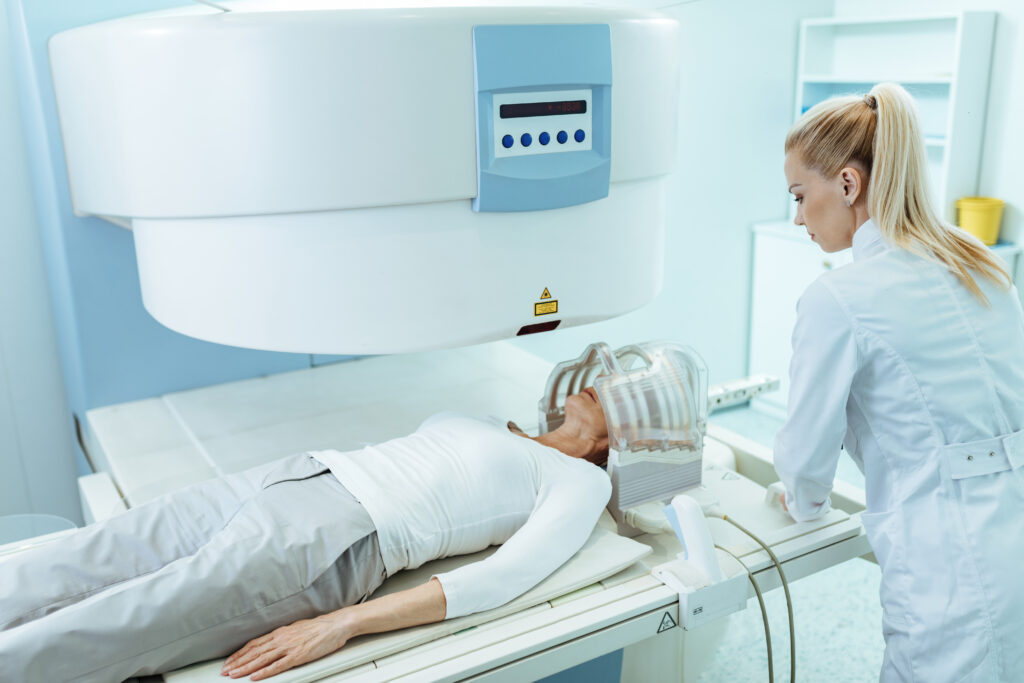
IMRT for head and neck cancer is a treatment that many doctors use today. Before your treatment starts, they use detailed scans and computer tools to plan everything carefully. This helps them aim the radiation right where it’s needed.

In the head and neck, the tumor is often surrounded by tissues you use every day without thinking about them. Speaking, swallowing, even making saliva all depend on structures that may sit close to the treatment area. That’s why delivering radiation as precisely as possible is such an important part of treatment planning. 

Stereotactic Radiosurgery (SRS) and Stereotactic Body Radiation Therapy (SBRT)

Don’t let the name Stereotactic Radiosurgery (SRS) fool you. It doesn’t involve an operation. SRS and SBRT are both types of radiation treatment that focus on a small, specific area.

In some cases, treatment can be finished in fewer visits than regular radiation therapy. Your doctor will look at your diagnosis and decide if either of these treatments is a good fit for you.

How Advanced Radiation Technology Improves Cancer Care 

Delivers Radiation with Greater Precision 

One of the reasons modern radiation therapy has improved is that doctors have much better control over where the radiation goes. Instead of treating a wider area, they can focus more on the tumor itself.

For people with head and neck cancer, that’s important because healthy tissues are often just a short distance away. This type of precision radiation helps make treatment more targeted.

Helps Protect Critical Structures 

Treating head and neck cancer isn’t only about targeting the tumor. It’s also about looking after the healthy parts of the body that help you get through your day.

Doctors don’t simply point radiation at the tumor and begin treatment. They spend time planning exactly where the radiation should go. That careful planning helps treat the cancer while reducing radiation to nearby healthy tissues whenever possible. 

Supports Personalized Treatment Planning 

Every tumor is different. Every head and neck cancer is a little different. The tumor might be larger or smaller, or it may be located in a completely different area. 

Because of that, doctors create a treatment plan that’s designed around the individual, and advanced radiation therapy makes that level of planning possible. By using detailed imaging, they can carefully target the tumor throughout treatment.

May Reduce Certain Treatment-Related Side Effects 

Doctors always try to treat the cancer without affecting healthy tissues more than necessary. That’s not always easy, especially in the head and neck where everything is so close together.

Modern radiation treatments make that job a little easier. One benefit of these advanced techniques is that they allow doctors to focus more closely on the tumor. This may help reduce some treatment-related side effects, although every patient’s experience is different. 

Supports Better Treatment Outcomes

Radiation tech for head and neck cancers has honestly come a long way. It’s getting so precise that doctors can basically ‘snub’ the healthy tissue while zeroing in on the tumor itself. 

That said, it’s not a one-size-fits-all situation. How well the treatment works still depends on the big stuff, like what kind of cancer you’re dealing with, how far it’s spread, and just how your body handles the plan your medical team puts together 

Is Advanced Radiation Therapy Right for Every Patient 

Modern radiation is powerful, but it’s not a universal fix. Choosing the correct approach requires checking the cancer’s variety, location, dimensions, and severity, plus the patient’s physical state. Doctors analyze these specifics prior to choosing a course of action. 

You should speak up and explore every possibility. Doing so clarifies the roadmap and puts you in the driver’s seat. Knowledge is power when it comes to managing your own medical journey and choosing the right path. 

Conclusion

Modern radiation therapy gives doctors more ways to treat head and neck cancer with greater precision than ever before. While every patient’s treatment plan is different, advances like IMRT for head and neck cancer and SRS/SBRT allow care to be tailored to the location and type of cancer.

At ROCVC, we believe good care starts with clear conversations. Every head and neck cancer is different. The location of the tumor, its size, and other medical factors all play a role in treatment planning, and we ensure we consider them. 

Non-Invasive Prostate Cancer Treatment: A Patient’s Guide to Modern Options

Older man hugging a child after non-invasive prostate cancer treatment

Getting diagnosed with prostate cancer can bring a lot of worry. Many people think surgery is the only answer for them. They worry about pain, recovery time, and how treatment may affect their daily lives.

The good news is that surgery is not always needed. Today, doctors have several ways to treat prostate cancer without major surgery. These treatments can help fight cancer while allowing many people to get back to their normal routines sooner.

Learning about non-invasive prostate cancer treatment options can help you feel more prepared and confident when talking with your doctor.

What Is Non-Invasive Cancer Treatment?

A non-invasive treatment treats cancer without making large cuts in the body. These treatments are made to target cancer cells while causing less harm to healthy tissue.

Many people choose these treatments because they may offer:

  • Less pain
  • Faster recovery
  • Fewer problems after treatment
  • More time to enjoy normal activities

Not every treatment is right for everyone. Doctors look at your age, overall health, and how far the cancer has spread before making a recommendation.

Common Prostate Cancer Treatment Options

Today, there are several prostate cancer treatment options that do not require surgery. Each one works differently and may be right for certain patients.

Radiation Therapy

One of the most common treatments is radiation therapy for prostate cancer. It uses high-energy rays to destroy cancer cells.

Treatment is usually done over several visits. Most patients go home the same day and can continue many of their normal activities.

Some side effects may include:

  • Feeling tired
  • Changes in urination
  • Mild bowel problems
  • Irritation in the treatment area

Side effects are different for everyone. Many people are able to manage them with help from their doctor.

Active Surveillance

Not every prostate cancer needs treatment right away. Some cancers grow very slowly.

In these cases, doctors may suggest active surveillance. This is a type of treatment without surgery where doctors watch the cancer closely instead of treating it right away.

Active surveillance usually includes:

  • Regular PSA blood tests
  • Scans and checkups
  • Follow-up visits
  • Biopsies when needed

For some people, this approach helps them avoid treatment until it becomes necessary.

How Doctors Choose the Right Treatment For You

Every person is different, so the treatment is also; there is no single treatment that works for every patient. The right approach depends on many factors, which is why doctors create a treatment plan after the careful study of the patient.

When recommending a treatment, doctors consider the following important factors:

  • Your age: Your age matters when deciding the right treatment. Younger patients may be offered different treatment options than older ones. Age can affect recovery, long-term outcomes, and treatment goals.
  • Your overall health: Existing medical conditions such as heart disease, diabetes, or other health concerns can influence the treatments. Doctors generally consider safer options when choosing a treatment for existing medical conditions.
  • The stage of the cancer: Doctors look at whether the cancer is limited to the prostate or has spread to nearby tissues. If the cancer has spread to other body parts, then doctors plan treatment accordingly.
  • How quickly the cancer is growing: Some prostate cancers grow very slowly and may only require monitoring, while others can be more aggressive and may demand treatment as early as possible.
  • Your lifestyle and personal goals: The treatment selection also differ form patient needs. Some patients prefer treatments with shorter recovery times and fewer disruptions to their life, while others focus primarily on long-term cancer control.

Ultimately, the decision is made based on the treatment effectiveness, possible side effects, and quality of life. Thus, your doctor can help you understand your options and choose the treatment plan accordingly.

What to Expect During Treatment

  • Starting treatment can feel stressful. Knowing what to expect may help you feel more comfortable.
  • Most people begin with tests and meetings with their doctor. Together, they create a treatment plan based on the patient’s needs.
  • Many modern treatments do not require a hospital stay. Patients often go home the same day.
  • After treatment, regular checkups are important. These visits help doctors see how well the treatment is working and manage any side effects.
  • Healthy habits, regular exercise, and eating well can also support recovery.

Questions to Ask Your Doctor

Before starting treatment, it helps to ask questions.

You may want to ask:

  • Am I a good candidate for non-invasive treatments?
  • What are the risks and benefits?
  • Will treatment affect my daily life?
  • What side effects should I expect?
  • How often will I need follow-up visits?

Asking questions can help you feel more confident and better prepared.

Looking Ahead With Confidence

Getting diagnosed with prostate cancer can feel scary, but there are more treatment choices today than ever before. Many people can get the care they need without having major surgery and still enjoy their everyday lives.

Treatments like radiation therapy and active surveillance may all help, but the right choice is different for each person. Your doctor can help you understand which option may work best for you.

Learning about your choices and asking questions can make the process feel less stressful. At ROCVC, we believe that good information helps people make confident decisions. We are here to support patients and help them move forward with peace of mind.

¿Qué es la radioterapia y cómo se utiliza para tratar el cáncer?

Un diagnóstico de cáncer no solo implica decisiones médicas; también trae consigo un montón de preguntas y emociones. Mientras te enfrentas a esa palabra tan grande llamada «cáncer», te encontrarás con muchos otros términos por primera vez. Y tratarás de entender qué significan realmente para ti o para alguien cercano a ti. La radioterapia es uno de los muchos tratamientos contra el cáncer que los médicos llevan años utilizando. Debe de haber razones por las que sigue recomendándose tan a menudo.

Incluso la radioterapia puede formar parte de otras opciones de tratamiento contra el cáncer sin necesidad de cirugía. Esto depende totalmente del tipo de cáncer y de lo que te recomienden tus médicos. En pocas palabras, se combina con otros tratamientos y, a veces, también se utiliza por sí sola.

¿Qué es la radioterapia?

Puedes pensar en la radioterapia contra el cáncer como una forma de atacar las células cancerosas con mucha precisión mediante energía controlada. En lugar de afectar a todo el cuerpo, el tratamiento se centra solo en la zona donde es necesario.

Los médicos lo planifican con mucho cuidado, casi como si trazaran una ruta, para que la radiación llegue al tumor y, al mismo tiempo, se limite el impacto en el tejido sano cercano. Se suele utilizar para cánceres como el de mama, el de pulmón y el de próstata, pero el tratamiento siempre se adapta en función de lo que mejor te vaya a ti.

¿Cómo trata el cáncer la radioterapia?

La radioterapia parece complicada, pero, una vez que la desglosas, es más sencilla de lo que parece.

Cómo afecta a las células cancerosas

Las células cancerosas rebeldes no siguen las reglas normales y tienden a crecer rápidamente. La radiación ataca estas células de crecimiento rápido dañando su ADN. Puedes pensar en el ADN como el manual de instrucciones que determina cómo se comportan las células.

En cuanto se altera ese manual de instrucciones:

  • Las células no pueden seguir creciendo
  • Dejan de dividirse
  • Con el tiempo, se descomponen y el cuerpo los elimina

¿Por qué el tratamiento se prolonga en el tiempo?

La radioterapia no se administra de una sola vez, sino que se distribuye en varias sesiones.

Eso es a propósito. Sirve para:

  • Debilitar poco a poco las células cancerosas
  • Dale tiempo a tus células sanas para que se recuperen
  • Intenta que el tratamiento esté más controlado

¿Y qué pasa con las células sanas?

Sí, puede que algunas células sanas se vean afectadas, pero aquí está la diferencia:

  • Las células sanas se reparan mejor por sí mismas
  • Las células cancerosas no son

Gracias a las técnicas modernas, diseñadas para ser muy precisas, la atención se centra justo donde más se necesita.

Tipos de radioterapia

No todas las radioterapias son iguales. El tipo que te apliquen dependerá de tu enfermedad y de tu plan de tratamiento. No hay un único tipo de radioterapia

Radioterapia Externa

Este es el tipo más común. Una máquina emite radiación desde fuera del cuerpo, dirigiéndola hacia el tumor. Las sesiones suelen ser cortas y se reparten a lo largo de varios días o semanas.

Radioterapia Interna (braquiterapia)

En algunos casos, la radiación se coloca dentro del tumor o muy cerca de él. Esto permite un enfoque más directo.

Técnicas avanzadas

La tecnología ha hecho que la radioterapia sea más precisa que nunca. Por ejemplo:

  • IGRT (radioterapia guiada por imágenes): ayuda a orientar el tratamiento en tiempo real
  • SBRT (radioterapia estereotáctica corporal): administra dosis concentradas en menos sesiones

Puede que te encuentres con debates sobre la tasa de éxito de la SBRT contra el cáncer, sobre todo cuando buscas opciones de tratamiento más novedosas; es uno de los campos que sigue evolucionando gracias a la investigación en curso.

¿Cuándo se utiliza la radioterapia?

La radioterapia no se utiliza de una sola forma, sino que puede formar parte del tratamiento en diferentes etapas, según lo que se necesite.

  • Como tratamiento principal
  • Antes de la operación (para reducir un tumor)
  • Después de la operación (para reducir las posibilidades de que vuelva a aparecer)
  • Para ayudar a controlar los síntomas en las fases más avanzadas

Se utiliza para tratar diversos tipos de cáncer, como el de mama, el de pulmón y otros, no solo un tipo concreto. En algunos casos, también se puede considerar como una alternativa a la cirugía, dependiendo de la afección y del plan de tratamiento general.

Los médicos suelen comparar la radioterapia con la cirugía para tratar el cáncer a la hora de decidir qué es lo más adecuado para cada paciente. A veces se opta por una u otra, y otras veces lo que mejor funciona es una combinación de ambas.

¿Se puede tratar el cáncer sin cirugía?

Esto es algo que mucha gente se pregunta desde el principio: ¿se puede tratar el cáncer sin cirugía?

La respuesta depende de cada caso, pero sí, hay situaciones en las que la cirugía no es la primera opción. La radioterapia es una opción que se puede utilizar por sí sola, sobre todo cuando la cirugía no es la mejor opción o no es necesaria. Piensa en ella como otra vía, no como una opción inferior, sino simplemente como un enfoque diferente que puede adaptarse mejor a ciertas situaciones.

La radioterapia en distintos tipos de cáncer

La radioterapia no se limita a un solo tipo de cáncer. Se utiliza para tratar diferentes enfermedades, dependiendo de dónde esté el cáncer y cómo se comporte.

Dónde se usa

Suele formar parte del tratamiento para:

  • Cáncer de mama
  • Cáncer de pulmón
  • Cánceres de cabeza y cuello
  • El cáncer de próstata y otros

Por qué se usa tanto la radioterapia

La radioterapia se puede ajustar según el tamaño, la ubicación y el estadio del tumor, lo que permite que el tratamiento se centre en la zona afectada. Por ejemplo, en el caso del cáncer de próstata, tal y como recomiendan los médicos, también se puede utilizar como tratamiento no quirúrgico cuando la cirugía no es la mejor opción.

Cada plan se adapta a cada persona, para que se ajuste a su estado y a sus necesidades generales de tratamiento.

Qué puedes esperar durante la radioterapia

Si te estás preguntando cómo es realmente la experiencia, suele ser más llevadera de lo que la gente espera.

  • Los tratamientos suelen ser ambulatorios (te vas a casa el mismo día)
  • Cada sesión es corta
  • No sentirás dolor durante la intervención

Es posible que puedas seguir con muchas de tus actividades habituales, aunque con el tiempo pueden aparecer algunos efectos secundarios, como la fatiga. Por lo general, son fáciles de controlar, y tu equipo médico te ayudará a sobrellevarlos.

Conclusión

La radioterapia se ha convertido en una parte importante del tratamiento actual del cáncer. Ofrece una forma de atacar el cáncer con precisión, a la vez que da a los médicos flexibilidad a la hora de planificar el tratamiento.

Si estás valorando las opciones de tratamiento, entender cómo funciona este enfoque puede hacer que todo te parezca un poco menos incierto, y eso por sí solo ya puede marcar la diferencia.

¿Es la radioterapia estereotáctica una alternativa segura a la cirugía para el tratamiento del cáncer?

El cáncer es una batalla dura que nadie quiere tener que librar jamás. Pero cuando llega el momento, tienes que buscar tratamientos que vayan más allá de las estancias en el hospital o la recuperación.

Aquí es donde suele surgir la comparación entre la radioterapia estereotáctica y la cirugía. Algunos pacientes empiezan a preguntar sobre la SRT para el cáncer sin cirugía, con la esperanza de encontrar una opción que les resulte más llevadera. Es una de las opciones de tratamiento oncológico no invasivo diseñadas para tratar tumores con precisión, pero la respuesta no es la misma para todo el mundo.

Y eso es justo lo que hay que tener claro antes de tomar cualquier decisión.

¿Qué es la radioterapia estereotáctica?

Si has estado buscando opciones de tratamiento contra el cáncer no invasivas, este es uno de los términos que no deja de aparecer. La radioterapia estereotáctica está diseñada para tratar tumores con un alto nivel de precisión, utilizando haces de radiación cuidadosamente planificados que se dirigen únicamente a la zona afectada. No hay cirugía, ni incisiones ni puntos, lo que ya cambia por completo la forma en que se vive toda la experiencia.

Hay menos sesiones, pero cada una está planificada al detalle (aquí no hay prisas).

Lo que más llama la atención es cómo protege el tejido sano circundante, por eso los resultados de la radiocirugía estereotáctica suelen analizarse con mucho detalle en estos casos.

Cómo la radioterapia estereotáctica puede ser una buena alternativa a la cirugía

Enfoque no invasivo

Lo primero que llama la atención a la mayoría de la gente es esto: no hay que pasar por el quirófano. Ni incisiones, ni quirófano, ni el esfuerzo físico que suele conllevar. Solo eso ya marca la diferencia a la hora de buscar opciones de tratamiento contra el cáncer no invasivas, sobre todo si te preocupa la recuperación. El cuerpo no tiene que soportar el mismo nivel de estrés.

Por eso también se suele recurrir a la radiocirugía estereotáctica en los casos en los que es importante evitar las complicaciones de la cirugía.

Menor tiempo de recuperación

Es durante la recuperación cuando la mayoría de los pacientes empiezan a replantearse sus opciones. La cirugía te obliga a tomarte un tiempo libre, quedarte ingresado en el hospital y volver poco a poco a la normalidad. Con la radioterapia estereotáctica, las cosas son diferentes. La mayoría de los pacientes vuelven a su rutina mucho antes, sin necesidad de una estancia prolongada en el hospital ni de un periodo de recuperación prolongado.

Ese cambio es importante, sobre todo cuando no puedes dejar la vida cotidiana en pausa durante mucho tiempo. También es una de las razones por las que se siguen de cerca los resultados de la radiocirugía estereotáctica en los casos en los que lo que más importa es recuperarse rápido.

Segmentación precisa

Lo que realmente marca la diferencia aquí es la precisión. La radiación se dirige con cuidado directamente al tumor, en lugar de afectar a una zona más amplia. Esto ayuda a reducir el impacto innecesario en el tejido sano cercano del cuerpo, algo que suele preocupar a los pacientes.

Es una de las razones por las que, en ciertos casos, se está considerando cada vez más la radioterapia como alternativa a la cirugía.

Ideal para tumores de difícil acceso

Hay tumores a los que es difícil llegar con cirugía, y eso puede cambiar por completo el enfoque del tratamiento. Si están cerca de zonas sensibles o más adentro del cuerpo, la cirugía puede resultar más complicada de lo esperado.

En estos casos, la radioterapia estereotáctica ofrece una alternativa al tratar el tumor desde fuera del cuerpo. Esto reduce la necesidad de una intervención quirúrgica, al tiempo que permite centrar el tratamiento justo donde se necesita.

Una opción para los pacientes que no pueden someterse a una intervención quirúrgica

Algunos pacientes no son candidatos ideales para la cirugía debido a problemas de salud o a factores de riesgo más elevados. Cuando la cirugía no es una opción para ellos, la radioterapia estereotáctica se convierte en una alternativa práctica. Les ofrece una forma de seguir adelante sin tener que soportar ese estrés adicional.

Para muchos, ese equilibrio entre tratar el cáncer y cuidar la salud en general se convierte en la prioridad.

¿Quién es un buen candidato para este tratamiento?

Pacientes con tumores pequeños o bien definidos

Tener unos límites tumorales bien definidos marca una diferencia notable a la hora de planificar este tratamiento. Cuanto más definida esté la zona, más precisa suele ser la administración.

Pacientes que buscan una opción no quirúrgica

Algunos pacientes evitan la cirugía siempre que pueden. En esos casos, tiene sentido plantearse estos tratamientos que permiten tratar el tumor sin tener que pasar por una operación.

Pacientes con limitaciones médicas

La cirugía no siempre es la opción más adecuada para todos los pacientes. Hay problemas de salud o riesgos generales que pueden influir en esa decisión. Este tratamiento, por lo tanto, se convierte en una alternativa.

Casos en los que es importante la conservación de los tejidos

Cuando los tumores están cerca de estructuras sensibles, hay que planificar el tratamiento con más cuidado. Este tratamiento se centra en una zona muy concreta y reduce el impacto en las áreas circundantes.

Reflexiones finales

A estas alturas, está claro que no hay una respuesta única. En muchos casos, la radioterapia estereotáctica como alternativa a la cirugía puede ser una opción muy válida, pero depende de los detalles de la enfermedad. El enfoque adecuado pasa por una evaluación minuciosa y un plan que se adapte al paciente, no solo al diagnóstico.

En los Centros de Oncología Radioterápica del condado de Ventura te ofrecemos radioterapia estereotáctica, centrándonos en la precisión, la seguridad y en tomar decisiones que realmente se adapten a cada persona.